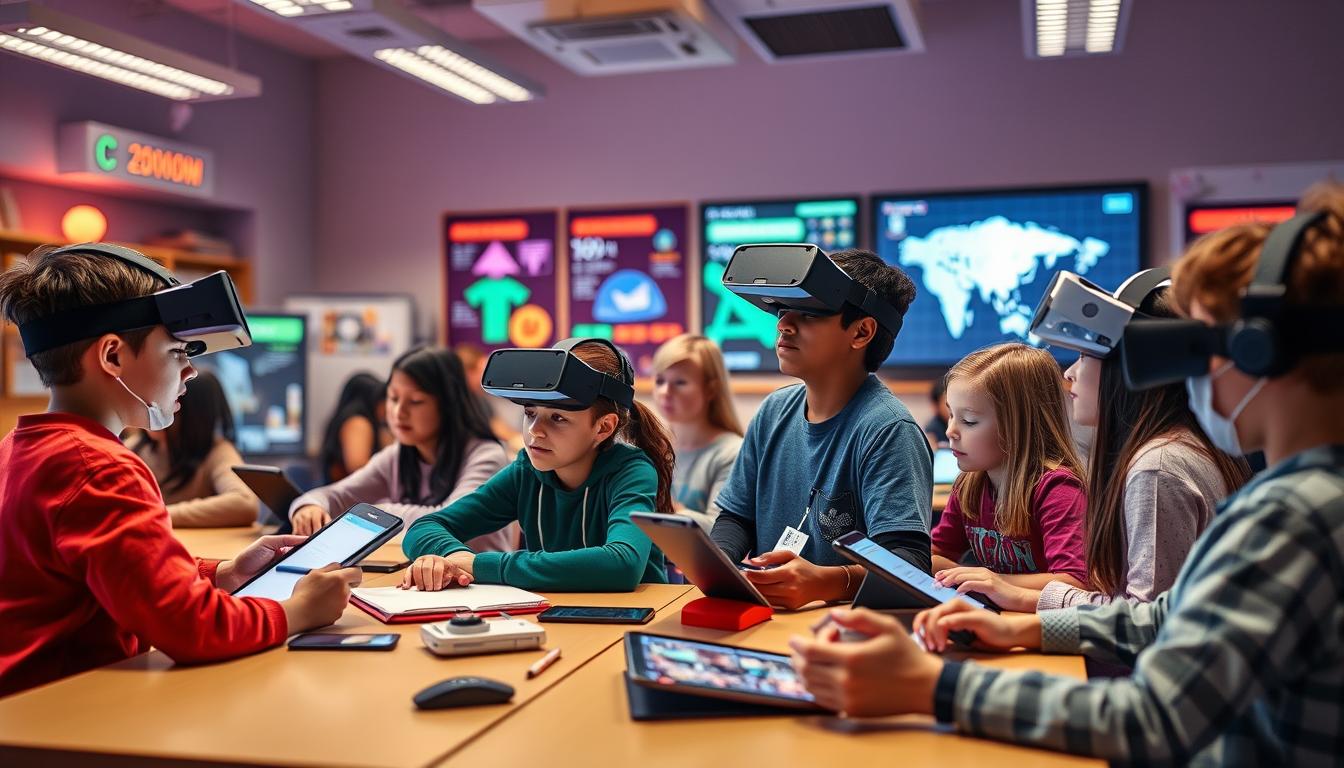
Educational Technology – In today’s world, we ask: Can educational technology really change how we learn and teach? In 2023, teachers need to teach their students digital skills for a tech-filled world. Educational tech makes learning fun and fits different learning styles, making students more engaged than before.
Using educational technology well can make students more interested in learning. It also helps them do better in school and get ready for today’s world.
We are seeing a big change in how we learn, and technology is leading the way. The internet is full of information, changing how students learn and find knowledge. As we explore educational technology, it’s key to see its importance and how it’s changing education, including edtech and online learning.
Key Takeaways
- Educational technology is revolutionizing the way we learn and teach
- Edtech and online learning can enhance student engagement and improve learning outcomes
- The effective use of educational technology can prepare students for the demands of the 21st century
- Educational technologies create interactive lessons that cater to varied learning styles
- The internet serves as a vast repository of information, changing the way students learn and access knowledge
- Educational technology, including edtech and online learning, is shaping the future of education
What is Educational Technology?
Educational technology uses tech to help learning. It includes online platforms, digital tools, and systems for managing learning. These tools make learning fun and interactive, helping students find and share information easily.
Virtual classrooms and online learning sites are now common. They let students learn from anywhere, anytime. These sites offer tools like video chats, online talks, and quizzes to keep students interested in learning.
Definition and Scope
Educational technology covers many tools and methods to aid learning. It includes online platforms and virtual classrooms. These tools are key in today’s learning, helping students find and share information and develop digital skills.
Importance in Modern Learning
Digital tools, virtual classrooms, and online platforms are vital today. They boost student interest, improve grades, and give teachers new ways to teach. As we move forward, using educational technology is essential for creating new and effective learning experiences.
| Technology | Benefits |
|---|---|
| Digital Tools | Increased student engagement, improved learning outcomes |
| Virtual Classrooms | Flexibility, accessibility, and convenience |
| E-learning Platforms | Personalized learning experiences, interactive features |
The Benefits of Educational Technology
Educational technology offers many advantages, like getting students ready for the real world and making learning more fun. It brings digital tools and online learning into the classroom. This mix of old and new teaching methods is called blended learning.
It lets students learn at their own speed and find resources that fit their needs. Studies show that 85% of teachers think tech helps students stay engaged. Also, students who use tech often do 30% better in school than those who don’t.
Enhancing Engagement
Technology makes learning more fun and interactive. For example, games can make learning fun and get students involved. About 70% of students say they enjoy learning with tech more than the old ways.
Personalized Learning Experiences
Technology helps make learning personal and effective. Students get resources that match their needs, and teachers can see how they’re doing. The tech market for schools is expected to grow to $342 billion by 2025. This shows how much people want tech to help learning.
| Benefit | Percentage |
|---|---|
| Improved engagement | 85% |
| Personalized learning experiences | 80% |
| Increased access to resources | 90% |
Popular Educational Technologies
Online learning is changing how we teach and learn. Digital tools like learning management systems help teachers and students. Virtual classrooms offer interactive and immersive learning experiences.
Popular tech includes learning management systems, gamification tools, and virtual/augmented reality. These tools can make learning more fun, effective, and engaging. For instance, Quizlet has a huge library of study materials. Nearpod makes class interactive with assessments.
More teachers are using these technologies, with 46% seeing big improvements. Over 500,000 people use Text Blaze templates. Kahoot helps create quizzes that make learning fun and competitive.
- Learning management systems, such as Schoology and EdPuzzle
- Gamification tools, such as Kahoot and Quizizz
- Virtual and augmented reality, such as VR First and Google Expeditions
| Technology | Description |
|---|---|
| Learning Management Systems | Provide a platform for educators to manage course materials, track student progress, and facilitate communication |
| Gamification Tools | Enhance engagement and motivation through game-like activities and rewards |
| Virtual and Augmented Reality | Create immersive and interactive learning experiences, simulating real-world environments and scenarios |
The Role of Artificial Intelligence in Education
Artificial intelligence (AI) is changing how we learn and teach. It has the power to make education better for everyone. With edtech growing fast, AI tools are becoming more common in schools.
AI helps both students and teachers. Studies show that 42% of teachers say AI cuts down on paperwork. Also, 25% find it helps with learning plans for each student. Plus, 18% see it boost student interest, and 17% say it improves grades.
Some big advantages of AI in schools are:
- Learning plans that fit each student’s needs
- More student interest and effort
- Better grades for students
- Less work for teachers, more time for teaching
But, there are also challenges. Issues like keeping data safe, avoiding bias, and making sure everyone has access are important. We must make sure AI is fair and open. This way, AI can make education better for everyone.
| Benefits of AI in Education | Percentage of Teachers Reporting Benefits |
|---|---|
| Personalized learning | 25% |
| Improved student engagement | 18% |
| Enhanced student learning outcomes | 17% |
How to Implement Educational Technology Effectively
To make instructional technology work in our classrooms, we need to think about a few important things. We should check what learners need, train teachers, and mix technology into our lessons. This way, we can make a learning space that blends online and in-person learning, making it more fun for students.
When we add educational technology, we must assess learner needs and plan carefully. We should give teachers the chance to learn how to use technology well. Schools can also use systems to see how students are doing and help where needed.
- Using online learning platforms for blended learning
- Training teachers on using technology in their teaching
- Getting students to use digital tools for learning
By being careful and thoughtful in using educational technology, we can make learning better and more fun for everyone.
Looking ahead, we must think about how technology helps with online and blended learning. This way, we can make learning more flexible and tailored to each student’s needs.
Overcoming Challenges in Educational Technology
Using digital tools, virtual classrooms, and e-learning platforms can be tough. We aim to make learning more inclusive. But, we face challenges with educational technology.
Concerns include resistance to change, the digital divide, and data privacy. For example, too much screen time is a worry. To tackle these issues, we must train teachers well. This way, they can use technology in their teaching.
Recent studies show that 70% of teachers lack the training they need. Also, 45% say bad internet is a big problem, mainly in rural areas. We can use digital tools to offer flexible training for teachers.
- Providing educators with regular training and support to enhance their digital literacy
- Investing in infrastructure to ensure reliable internet connectivity and access to digital devices
- Implementing data privacy measures to protect sensitive student information
By tackling these challenges, we can unlock the full power of digital tools. This will help create a fair and effective learning space for all students.
The Future of Educational Technology
Looking ahead, educational technology will keep changing how we learn. Edtech is growing, bringing new ways to make learning better. We’ll see more use of artificial intelligence in online learning to offer tailored advice and quick feedback.
Immersive tech, like augmented and virtual reality, will also grow. These tools make learning fun by simulating real-life situations. For instance, NASA uses virtual reality to train astronauts. Educational technology will help more than just classroom learning, supporting online and remote education too.
- Artificial intelligence-powered learning platforms
- Immersive technologies, such as augmented and virtual reality
- Personalized learning experiences through adaptive learning algorithms
- Real-time assessments and feedback through data analytics tools
As online learning keeps improving, it’s key to keep up with new educational technology trends. This way, we can give students the best learning experiences. It prepares them for a digital world.
Case Studies of Successful Educational Technology Integration
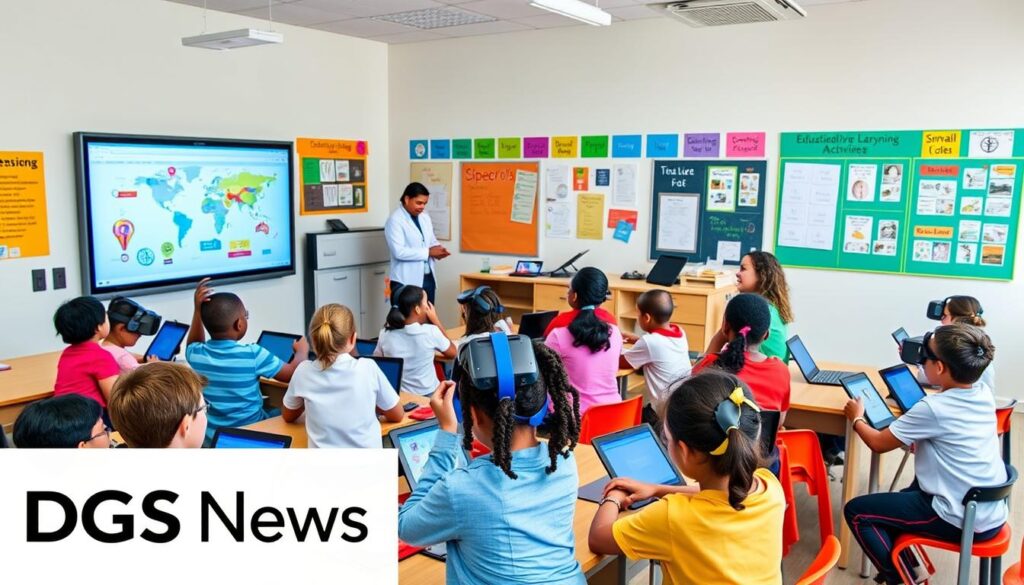
We’ve seen many examples of tech success in schools. Technology makes learning more fun and effective. It helps students do better and learn more easily.
Blended learning models are a great example. They make learning more personal and get students involved. Also, tech helps students who struggle to do better. It makes learning more exciting and keeps students interested.
Some big wins of using tech in schools are:
- Students do better in school
- Learning is more accessible
- Students are more engaged and motivated
- Learning is more tailored to each student
A study showed that tech in lessons really helps students. It found that students who used tech did much better. The study also said that teachers need good training to use tech well.
To make tech work in schools, we need a careful plan. By using blended learning and tech, schools can make learning better. This prepares students for today’s world.
| Technology | Benefits |
|---|---|
| Blended Learning | Increased personalized learning, improved student participation |
| Adaptive Learning Technologies | Improved performance among struggling students |
| Instructional Technology | Enhanced student engagement and motivation, improved student outcomes |
Impact on Educators and Teaching Practices
Online learning, digital tools, and virtual classrooms are changing teaching. This shift affects how students and teachers learn. Teachers can now share resources and best practices more easily.
Digital tools are key in teaching today. They help create learning experiences tailored to each student. For example, adaptive learning software adjusts content based on how well students do. Online assessment tools make it easier to check how students are doing.
Some important stats show how technology is changing teaching:
- 63% of K–12 teachers use technology in their classrooms every day
- 58% of teachers are using educational apps in their classrooms
- 41% of teachers utilize social media for educational purposes
These numbers show more teachers are using digital tools and virtual classrooms. It’s important to keep finding ways to use technology well in teaching. This way, both teachers and students can benefit from online learning.
Evaluating Educational Technology Tools
As we add technology to learning, it’s key to check if tools match our goals and help students learn. We need to look at how easy they are to use, if everyone can access them, and if they meet our learning goals.
When we check out educational technology tools, we look at a few things. These include:
- Alignment with learning objectives
- Ease of use and accessibility
- Effectiveness in supporting student learning
It’s important to see how well these tools work. We use tools like the TPACK Framework and SAMR models to check their impact. Graphite from Common Sense and the CWiC Framework also help pick the best digital materials.
By carefully choosing and using educational technology tools, we can improve learning for our students. This makes teaching more effective and engaging for everyone.
Resources for Educators and Administrators
Integrating educational technology has changed how we teach and learn. There are many resources to help educators and administrators grow. These resources can improve their skills and knowledge.
Online Courses and Workshops
There are many online courses and workshops on instructional technology. These can give educators deep insights into using blended and online learning. By learning more, educators can use technology to its fullest.
Professional Networks and Communities
Being part of professional networks and communities is key. These places let educators share ideas and learn from others. It’s a great way to stay updated and work together.
Using these resources helps educators handle the changes in educational technology. With ongoing learning and teamwork, we can make learning better for everyone. This includes more student involvement and better learning outcomes.
FAQ
What is educational technology?
Educational technology is a wide range of tools and methods. It helps make learning easier, from online classes to digital tools.
Why is educational technology important in modern learning?
It makes learning fun and interactive. It also makes learning personal and accessible. Plus, it prepares students for today’s world.
What are the benefits of using educational technology?
It makes learning more engaging and personal. It also helps students with disabilities or those learning from home.
What are some popular educational technology tools?
Popular tools include learning management systems (LMS), gamification tools, and virtual/augmented reality apps.
How is artificial intelligence (AI) being used in education?
AI helps tailor learning to each student. It also offers instant support and guidance through chatbots.
How can educators effectively implement educational technology?
Educators should first understand what students need. Then, they should train teachers and carefully add technology to the curriculum.
What are some of the challenges in adopting educational technology?
Challenges include resistance to change and the digital divide. Ensuring data privacy is also a concern.
What are the emerging trends and innovations in educational technology?
New trends include more AI, virtual and augmented reality, and advanced learning management systems.
Can you provide examples of successful educational technology integration?
Success stories show how technology improves learning in schools and colleges. It boosts engagement and outcomes, and makes learning more accessible.
How does educational technology impact educators and teaching practices?
It helps teachers work together and tailor learning. It also requires them to learn new skills.
How can educators evaluate the effectiveness of educational technology tools?
Evaluating tools involves looking at ease of use and accessibility. It also means checking if they meet learning goals and improve student results.
What resources are available to support educators and administrators in integrating educational technology?
There are online courses, workshops, and professional networks. These resources help teachers learn how to use technology effectively in their classrooms.