
Can distance education offer a better learning experience than traditional classrooms? We’ll look into its benefits and challenges. This includes online and remote learning to see if it’s right for you.
Distance education lets students learn from anywhere, anytime. It’s great for those who can’t go to school because of work, family, or location. It’s flexible and convenient, allowing students to learn at their own pace. They can choose from online courses, internships, and more.
Key Takeaways
- Distance education provides flexibility and convenience for students
- Online learning and remote education offer a range of learning options
- Distance education can be more effective and personalized than traditional classroom settings
- Students can set their own pace and choose from various learning options
- Distance education is a viable path to achieving academic and career goals
- Access to technology is key for effective distance learning
- Distance education can help minimize digital exposure and promote personalized learning
What is Distance Education?
Distance education, also known as online or remote learning, lets students learn through digital platforms. They can watch online lectures, video tutorials, and join virtual discussions. All this is done over the internet. We’ll explore what distance education is, its history, and types, giving you a full picture of this learning method.
At its heart, distance education offers students the chance to learn from anywhere, at any time. This is thanks to e-learning platforms. These platforms let students access course materials, join virtual classes, and talk to instructors and peers online.
Definition and Overview
The American Association of University Professors defined distance education in 2007. It said it’s a way to learn where teacher and students are apart. This definition has stuck, and distance education is now a common way to learn, thanks to technology. Some key features of distance education include:
- Virtual classes and online lectures
- Asynchronous and synchronous learning options
- Interactive assignments and discussions
- Access to course materials and resources online
History of Distance Education
The history of distance education goes back to the 19th century. The first correspondence course was offered by Sir Isaac Pitman in the 1840s. Over time, distance education has grown a lot, thanks to new technologies and places like the Open University in the UK. Now, many schools offer online courses and degree programs.
| Year | Event |
|---|---|
| 1840s | First correspondence course offered by Sir Isaac Pitman |
| 1858 | University of London establishes its External Programme |
| 1873 | First correspondence school in the US founded |
| 1971 | Open University in the UK accepts its first students |
Benefits of Distance Education
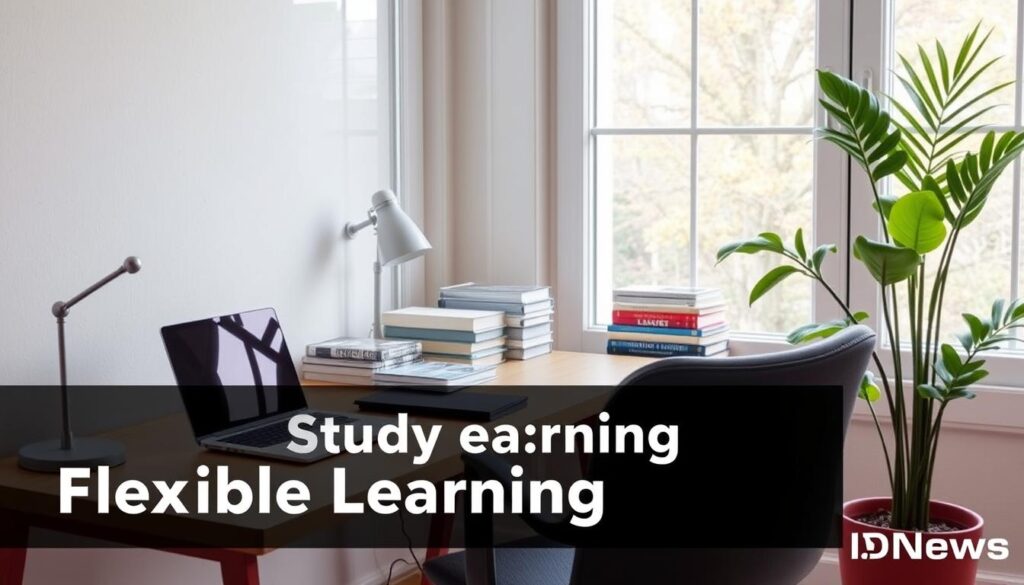
Distance education brings many benefits, like flexibility and convenience. With online courses, students can set their own schedules. This is great for those with busy lives.
This flexibility is very useful today. Many students have to balance work, family, and school. It helps them manage their time better.
Some key benefits of distance education are:
- Flexibility in scheduling and learning method
- Cost-effectiveness, with reduced expenses related to commuting, housing, and meals
- Access to a wide range of courses and programs, including those that may not be available locally
Also, distance education allows for self-paced learning. This means students can learn at their own speed. It helps them absorb information better.
This learning style also builds important skills. Students learn to be self-motivated and manage their time well. These skills are vital in today’s digital world.
In summary, distance education is a flexible and convenient way to get an education. It’s perfect for students who need to balance school with other responsibilities. By using digital platforms and online courses, students can get quality education anytime, anywhere.
| Benefits of Distance Education | Description |
|---|---|
| Flexibility | Create your own schedule and study at your own pace |
| Cost-effectiveness | Reduced expenses related to commuting, housing, and meals |
| Access to diverse programs | Wide range of courses and programs, including those not available locally |
Types of Distance Education Programs
Distance education programs are now more popular than ever. They let students learn at their own pace. Thanks to technology, online learning is a favorite choice. It lets students access courses from anywhere in the world.
Students can now pursue their academic goals without being tied to one place. This is thanks to remote education.
There are many types of distance education programs. Here are a few:
- Online degree programs, which provide students with the opportunity to earn a degree entirely online
- Certificate courses, which focus on specific skills or areas of study
- MOOCs (Massive Open Online Courses), which are designed to reach a large number of students, often for free or at a low cost
These programs offer flexibility. They let students learn at their own pace. This makes distance study great for those who can’t attend traditional classes.
With the rise of online learning, students can access many courses and programs. They can do this from anywhere in the world, at any time.
Recent statistics show that about 65% of U.S. higher education institutions have seen more students choosing distance education. This is thanks to technology. This shift towards online learning helps students balance school with work and other responsibilities.
| Type of Program | Description |
|---|---|
| Online Degree Programs | Provide students with the opportunity to earn a degree entirely online |
| Certificate Courses | Focus on specific skills or areas of study |
| MOOCs | Designed to reach a large number of students, often for free or at a low cost |
Key Technologies in Distance Education

Distance education uses many technologies to help learning. These include learning management systems, video conferencing tools, and interactive learning platforms. They help students get course materials, talk to teachers and classmates, and do learning activities from home. We’ll look at these key technologies and why they’re important for a good learning experience.
e-learning platforms are key in distance education. They offer a flexible and easy way for students to get course materials and join virtual classes. With more distance learning, schools have built strong learning management systems. For example, MSU Denver’s Innovative and Lifelong Learning offers flexible learning for all. This includes self-paced online courses and programs for today’s learners.
Technologies Used in Distance Education
- Learning Management Systems (LMS)
- Video Conferencing Tools
- Interactive Learning Platforms
These technologies have changed how we learn from a distance. They make learning interactive and fun. As we move forward in distance education, it’s key to see how e-learning, virtual classes, and distance learning shape education’s future.
By using these technologies, schools can make learning personal and engaging. Research shows that focusing on students improves motivation, engagement, and learning results. This makes it a vital part of distance education.
How to Choose the Right Distance Education Program
Choosing a distance education program involves several key factors. We should consider accreditation and reputation, curriculum, and student support services. These elements greatly affect the quality of education and our learning experience.
A quality distance education program offers a flexible learning pathway. It should include online courses, digital resources, and support services. Some programs also provide career services, which can help with job placement.
Here are some important things to think about when picking a distance education program:
- Accreditation and reputation: Look for programs with recognized accreditation.
- Curriculum and faculty: Check the curriculum quality and faculty expertise.
- Student support services: See if the program offers academic advising and tech support.
By considering these factors, we can make a well-informed choice. It’s important to research and compare different programs to find the best fit for our needs and goals.
Distance education programs, like those from the MIT School of Distance Education (MITSDE), offer flexible learning for working professionals. These programs are designed by experienced faculty. They provide practical skills through coursework, case studies, and project work.
| Program | Accreditation | Curriculum | Student Support |
|---|---|---|---|
| MITSDE | UGC and AICTE recognized | Practical skills through coursework and project work | Academic advising and tech support |
Challenges of Distance Education

Exploring remote education reveals several challenges. One major issue is the need for self-motivation and discipline. Students must manage their time and study at their own pace.
Technical problems, like connectivity issues or platform bugs, can also be a barrier. Limited social interaction makes it hard for students to connect with others. This can lead to feelings of isolation, affecting their sense of community.
To tackle these issues, students need to manage their time well and have reliable technology and internet. This helps them stay focused and motivated. With these strategies, they can succeed in their online studies.
Tips for Success in Distance Education
To do well in distance learning, it’s key to manage your time well, have a good study space, and connect with others. Making a schedule and sticking to it helps you stay focused and avoid putting things off. With online classes, you can learn from anywhere and fit your studies into your life.
Here are some important tips for doing well in distance learning:
- Make a plan for your homework to stay on top of it.
- Set aside at least 9 hours a week for a 3-unit course.
- Join in discussions and talk to teachers and classmates online.
- Get better at using technology and managing your time to do well in online classes.
By using these tips and making the most of online learning, you can reach your academic goals.
Distance Education vs Traditional Education
Students often debate between distance and traditional education. Each has its own benefits and drawbacks. The choice depends on what each student needs and prefers. Online courses, for example, offer flexibility and convenience, letting students study at their own pace.
Remote education is also more affordable. It can be 30-50% cheaper than traditional education. This makes it easier for many students to access. Plus, it reaches students in remote areas, making education more inclusive.
Here are some key statistics comparing distance education and traditional education:
- 70% of online learners report the benefit of fitting studies into their schedules alongside other commitments.
- 60% of online education students prefer self-directed learning over traditional classroom environments.
- 75% of traditional students report a preference for real-time discussions and hands-on activities.
In conclusion, both distance and traditional education have their pros and cons. Traditional education offers face-to-face interaction and hands-on learning. On the other hand, online courses provide flexibility, convenience, and are more affordable. As more people seek remote education, it’s important to weigh the benefits and drawbacks of each option.
| Education Type | Flexibility | Cost | Accessibility |
|---|---|---|---|
| Distance Education | High | Lower | Higher |
| Traditional Education | Low | Higher | Lower |
Future Trends in Distance Education
Distance learning is changing fast, and it’s key to keep up with new trends and tech. Now, students can take courses from anywhere, at any time. This shift means more demand for learning that fits each student’s needs.
Artificial intelligence and machine learning are becoming big in education. They help make learning paths that fit each student’s style. Microlearning breaks down big topics into smaller, easier-to-learn chunks.
Some big trends in distance education include:
- More use of virtual and augmented reality for interactive learning
- Global collaboration, letting students work with others worldwide
- Training for teachers to keep up with new online learning methods
In 2021, 53% of U.S. students took online courses. Online learning is growing fast, with big increases in countries that are just starting to use it. As we look ahead, distance learning will keep changing education. It’s important to know about the latest trends and tech in this field.
| Trend | Description |
|---|---|
| Artificial Intelligence | Personalized learning experiences and intelligent tutoring systems |
| Virtual and Augmented Reality | Immersive and interactive learning experiences |
| Global Collaboration | Connecting students with peers and instructors from around the world |
Real-Life Success Stories in Distance Education
Many students have reached their goals through distance education. They’ve found success in e-learning, virtual classes, and online courses. For example, students saved time and money by taking online courses. They lived an average of 45 minutes away from campus.
Students have managed their jobs and studies well with online learning. They started with two online classes in their first semester. Then, they took an average of eight more online classes. This flexibility helped them focus on homework and discussions a couple of days a week.
Success stories include SUNY, where online courses performed better than traditional ones. Tools like Crowdmark also improved grading efficiency. It can grade up to 200 multiple-choice questions at once.
These stories show how distance education works well. It gives students the skills and knowledge for their careers. With more e-learning, virtual classes, and online courses, we’ll see more students reaching their goals.
| University | Number of Online Courses | Success Rate |
|---|---|---|
| State University of New York (SUNY) | 100+ | 90% |
| University of Delaware | 6,422 | 85% |
Resources for Distance Education Students
Distance education offers many benefits, including access to academic advising and counseling. These services help students choose courses, plan their studies, and grow personally and professionally. Many programs also offer virtual tutoring and mentorship, providing one-on-one support and feedback.
Students in distance education can also join online communities and study groups. These spaces help learners connect, share knowledge, and discuss topics. This creates a sense of community and support, which is vital for those studying remotely.
The COVID-19 pandemic has highlighted the need for quality distance education resources. With the right tools and support, students can excel in their studies. They can reach their academic and career goals, even from a distance.
FAQ
What is distance education?
Distance education, also known as online or remote learning, is a way to learn through digital platforms. Students interact with course content, instructors, and peers online.
What are the benefits of distance education?
Distance education is flexible and affordable. It lets students study at their own pace. They can also access programs not available locally.
What are the different types of distance education programs?
There are many types of distance education programs. These include online degrees, certificate courses, and MOOCs. Online degrees are earned fully online. Certificate courses focus on specific skills. MOOCs are free or low-cost and reach many students.
What technologies are used in distance education?
Many technologies help with distance education. These include learning management systems, video conferencing, and interactive platforms. They help students access materials and interact with others online.
How do I choose the right distance education program?
Look at accreditation, curriculum, and faculty when choosing a program. Also, consider student support services. These factors affect the quality of education and the learning experience.
What are the challenges of distance education?
Distance education challenges include staying motivated and disciplined. Technical issues and limited social interaction are also problems. Students must manage their time well and deal with technical problems to succeed.
How can I succeed in a distance education program?
To succeed, manage your time well and create a dedicated learning space. Engage with peers and instructors online. This helps you stay on track and get the support you need.
How does distance education compare to traditional education?
Distance education offers flexibility, while traditional education provides structure and face-to-face interaction. The choice depends on your learning style and goals.
What are the future trends in distance education?
Future trends include using artificial intelligence and virtual reality. These technologies will create personalized learning experiences and simulate real-world environments. They will also increase global collaboration.
Can you share some real-life success stories in distance education?
Yes, many students have succeeded through distance education. Their stories show how online learning can provide the skills and knowledge needed for careers, despite challenges.
What resources are available for distance education students?
Students have many resources, like online libraries and study groups. They also have academic advising and counseling. These resources help students succeed by providing access to materials, support, and guidance.