
Can digital classrooms really change how we learn? The education world is moving fast with digital tools and online platforms. It’s not just adding tech to old ways of teaching. It’s a big change in how we learn.
Digital classrooms are making learning more personal and fun. They’re becoming more popular, with a 25% yearly increase. Studies show students learn better in these environments, keeping information 30% longer.
As we look at digital classrooms, we see their big role in education’s future. Online platforms and tools are key to this change.
Key Takeaways
- Digital classrooms are transforming the education sector by providing personalized, engaging, and accessible learning experiences.
- The adoption of digital learning tools has increased by approximately 25% year-over-year.
- Students learning in personalized environments are 30% more likely to retain information compared to traditional setups.
- Digital learning can reduce educational costs by approximately 20% to 30% through the use of open educational resources and low-cost online courses.
- Approximately 62% of educators believe that digital tools have significantly enhanced student engagement levels compared to traditional teaching methods.
- Online courses can increase enrollment rates by 15-20% compared to traditional in-person classroom settings.
What Are Digital Classrooms?
Digital classrooms use digital tools and technologies for learning. They include remote teaching solutions, e-learning technologies, and digital classroom software. These environments offer flexible, interactive, and personalized learning experiences.
Digital classrooms are key in today’s education. They help teachers create engaging learning spaces for students. Tools like Chromebooks, iPads, and smart whiteboards make learning fun and interactive.
Some benefits of digital classrooms are:
- Flexibility in attendance and learning
- Emphasis on differentiated learning
- Enhanced student engagement and participation
Digital classrooms are vital for today’s students. They prepare students for a digital world. By using remote teaching solutions and digital classroom software, we can make learning more inclusive and effective.
| Digital Classroom Equipment | Price Range |
|---|---|
| Chromebooks | Under $250 |
| iPads | Around $350 or less for refurbished models |
| Smart Whiteboards | $1,000 to $10,000 |
Benefits of Digital Classrooms for Students
Exploring digital classrooms shows us that students gain the most. They can dive into learning through multimedia, online talks, and group projects. This makes learning fun and engaging.
It also helps them understand and remember more. Plus, it gets them ready for a world that’s more digital. Key benefits for students include:
- Enhanced engagement and interactivity through multimedia content and online discussions
- Improved access to resources, including digital textbooks and online course materials
- Personalized learning experiences, allowing students to learn at their own pace and in their own environment
Also, digital classrooms offer more chances for teamwork and getting feedback. This can boost their grades and get them ready for jobs. By using online learning tools, students get a better, more flexible way to learn.
In summary, digital classrooms are great for students. They make learning more fun, effective, and tailored to each student’s needs.
| Benefits of Digital Classrooms | Description |
|---|---|
| Enhanced Engagement | Through multimedia content and online discussions |
| Improved Access to Resources | Through digital textbooks and online course materials |
| Personalized Learning Experiences | Allowing students to learn at their own pace and in their own environment |
Key Features of Effective Digital Classrooms
Effective digital classrooms have special features that make learning fun and interactive. They use tools and platforms for teamwork, have easy-to-use interfaces, and offer feedback right away. These features help teachers create lively learning spaces where students can work together, stay engaged, and do well.
Some of the key features of digital classrooms include:
- Collaborative tools that enable students to work together on projects
- User-friendly interfaces that make it easy for students to navigate and access digital resources
- Real-time feedback mechanisms that allow teachers to monitor student progress and provide immediate feedback
These features are key to making a digital classroom work well. By using online tools and digital classrooms, teachers can make learning more fun and interactive. This helps students get ready for the digital world.
A study by the OECD showed that students who worked together online did better in school. This shows how important it is to use online tools and digital classrooms in education.
| Feature | Benefit |
|---|---|
| Collaborative tools | Enhances student collaboration and engagement |
| User-friendly interfaces | Makes it easy for students to navigate and access digital resources |
| Real-time feedback mechanisms | Allows teachers to monitor student progress and provide immediate feedback |
The Role of Educators in Digital Classrooms
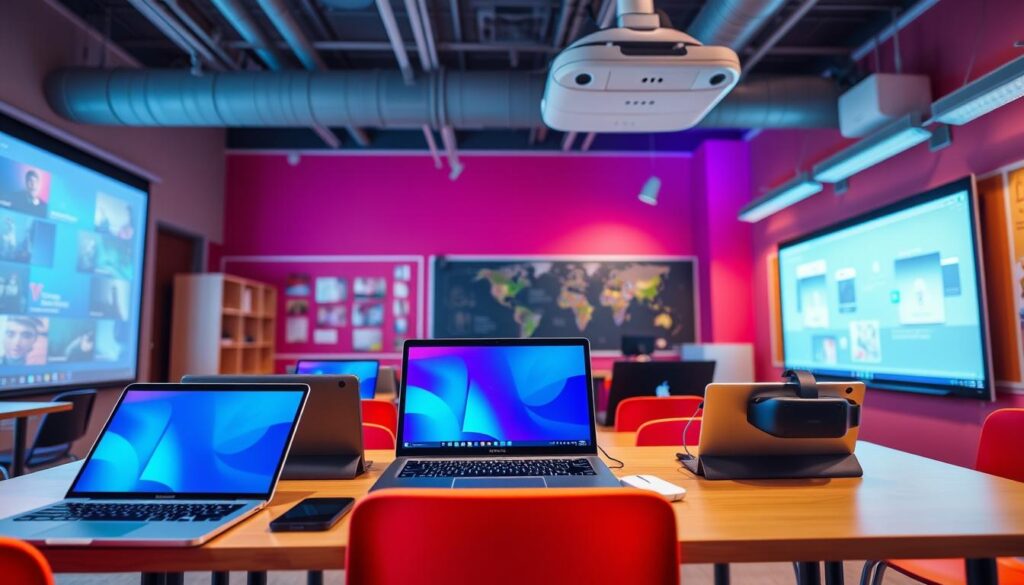
As we explore the digital world of education, it’s clear that teachers are key. They must be tech-savvy to use virtual tools and remote teaching solutions well. Today, 100% of educators say being tech-savvy is a must.
Recent stats show that 75% of teachers use platforms like Google Classroom and Zoom. Also, 85% use digital tools to make lessons interactive and engaging. These tools help teachers create a better learning experience for students.
Some important strategies for teachers in digital classrooms include:
- Adapting teaching techniques to incorporate remote teaching solutions
- Utilizing digital tools to create interactive and engaging lessons
- Fostering a supportive and inclusive learning environment
By using virtual tools and remote teaching, teachers can make learning more flexible and accessible. It’s vital for educators to keep improving their skills in this digital age. This way, they can give their students the best education possible.
| Statistic | Percentage |
|---|---|
| Teachers using online platforms | 75% |
| Teachers utilizing digital tools for interactive lessons | 85% |
| Teachers facing challenges related to the digital divide | 60% |
Technology Tools for Digital Classrooms
Digital classroom software and e-learning technologies are key to making learning fun and effective. Many tools help teachers create digital content, track student progress, and encourage teamwork. These tools are essential for creating engaging learning spaces.
Learning management systems (LMS), video conferencing tools, and interactive whiteboards are some of the most useful tools. They help teachers tailor learning to each student’s needs. For example, Canvas and Google Classroom are top choices for LMS, with lots of features to support teaching.
Tools like Edpuzzle and Pear Deck make videos and presentations interactive, making learning more enjoyable. Screencastify and Mural also support virtual teamwork and feedback. Here’s a quick look at what these tools offer:
| Tool | Features |
|---|---|
| Edpuzzle | Interactive video clips, student response tracking |
| Pear Deck | Interactive presentations, immediate feedback collection |
| Screencastify | Screen recording, virtual observation |
| Mural | Virtual collaboration, digital sticky notes |
Using these digital tools, teachers can make learning spaces that meet all students’ needs. With the right technology, we can make learning better and help students succeed.
Challenges in Implementing Digital Classrooms
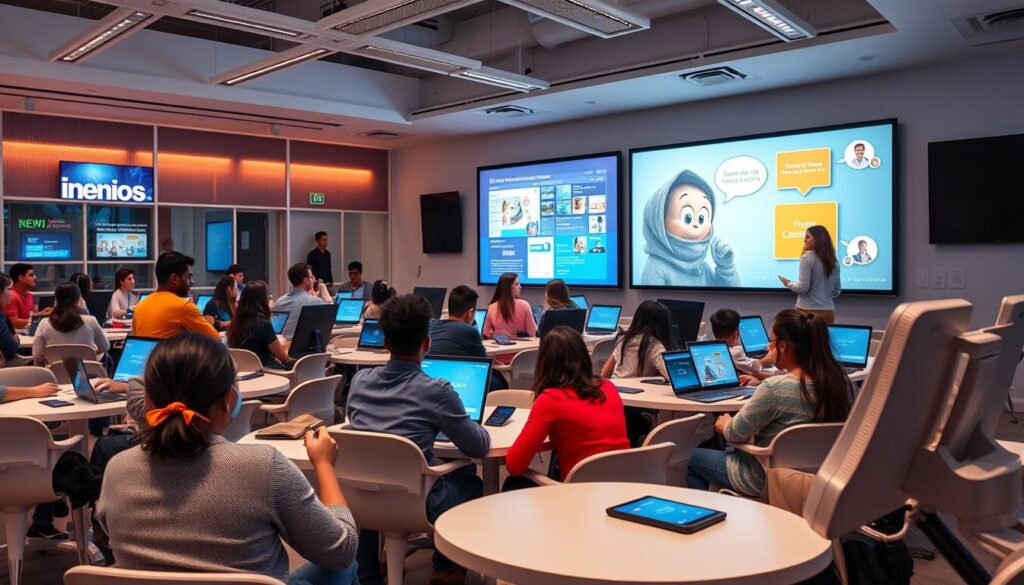
Switching to digital classrooms comes with its own set of challenges. One big issue is making sure everyone has access to technology. Online learning platforms can help by making educational resources available to all.
Another hurdle is getting traditional teachers to use new tech. Virtual education tools can help by providing training and support for them.
Some major challenges in digital classrooms include:
- Tech accessibility issues
- Resistance from traditional educators
- Maintaining student motivation
To tackle these issues, investing in online learning platforms and virtual education tools is key. This way, we can make learning more inclusive and effective for everyone.
By tackling these challenges and using digital classrooms to their full advantage, we can make learning better and improve student results.
| Challenge | Solution |
|---|---|
| Tech accessibility issues | Invest in online learning platforms |
| Resistance from traditional educators | Provide training and support for educators |
| Maintaining student motivation | Use virtual education tools to engage students |
Best Practices for Successful Digital Classrooms
Creating a successful digital classroom takes several key factors. Educators must set clear goals, promote teamwork, and check their methods often. Using digital education resources and distance learning resources helps make learning fun and interactive. This way, students of all kinds can learn well.
Here are some top tips for digital classrooms:
- Set clear goals for what students will learn.
- Make sure students work together and share ideas.
- Keep checking and improving how you teach.
- Use digital education resources and distance learning resources to help students learn.
By following these tips, teachers can make digital classrooms that work well. They will be fun and help students learn a lot.
| Best Practice | Description |
|---|---|
| Clear Learning Objectives | Set clear goals for what students will learn. |
| Student Collaboration | Make sure students work together and share ideas. |
| Regular Evaluation | Keep checking and improving how you teach. |
The Future of Digital Classrooms
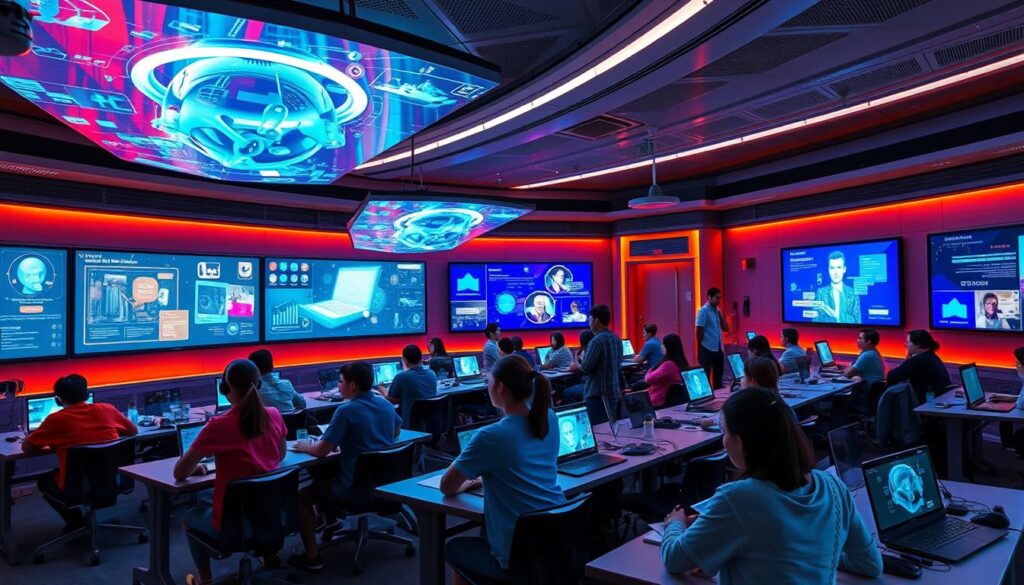
Digital classrooms will become even more important in education. Online tools and digital classrooms will offer many resources and learning chances. Personalized learning experiences will be common, thanks to digital classrooms’ ability to tailor instruction.
Artificial Intelligence (AI) and Virtual Reality (VR) will make learning more immersive and interactive. The global online learning market is set to hit $325 billion by 2025. This shows a big push towards digital learning.
Key benefits of digital classrooms include:
- Increased accessibility and flexibility
- Personalized learning experiences
- Enhanced engagement and interaction
- Reduced costs and increased efficiency
To keep up, we must invest in new technologies and teaching methods. This will help create effective digital classrooms.
Case Studies of Successful Digital Classrooms
Digital classrooms have the power to change education. Let’s explore some examples of virtual education tools and remote teaching solutions in action. These stories highlight how schools are making learning fun and effective.
The International School of Monaco (ISM) is a great example. They started a Digital Citizen program. This gave every student and teacher a device, making sure they had what they needed for digital learning. The program was a huge success, with over 80% of students and teachers ready to use their new tools.
Other schools have also seen great results. They use special apps for different age groups on iPads and MacBooks. This helps students get the right tools for their learning needs. Thanks to these tools, some schools have seen a 25% drop in students leaving school early. This shows how digital learning can offer flexible options for students who might not do well in traditional classrooms.
The secret to success in these digital classrooms is careful planning and ongoing support. By studying these examples, educators can learn from the successes and challenges. This knowledge helps them plan their own digital classrooms for the best results.
| Case Study | Implementation | Results |
|---|---|---|
| International School of Monaco | Digital Citizen program with device distribution | Over 80% of applications validated for deployment |
| Flexible Learning Options | Use of virtual education tools and remote teaching solutions | Up to 25% reduction in drop-out rates |
Conclusion: Embracing the Shift to Digital Classrooms
Digital classrooms are set to change education in big ways. They offer interactive and personalized learning spaces for students. With digital education resources and online learning platforms, teachers can give exciting, tech-based lessons.
Studies show digital classrooms boost student interest and grades. They also help students learn important skills for today’s world. Schools and teachers need to get the right tools and training for all students to benefit.
We can make education better by using digital classrooms. This change will make learning more fun and effective for everyone. It’s a chance to improve education and meet the needs of our fast-changing world.
FAQ
What are digital classrooms?
Digital classrooms use digital tools to teach. They include online learning tools and software. This helps students learn in new ways.
What are the benefits of digital classrooms for students?
Digital classrooms make learning fun and interactive. Students get to use cool online tools. This helps them learn better and enjoy it more.
What are the key features of effective digital classrooms?
Good digital classrooms have tools for teamwork and feedback. They are easy to use and keep students involved. This helps everyone learn and succeed together.
What is the role of educators in digital classrooms?
Teachers play a big role in digital classrooms. They need to use new teaching methods. This ensures students get the best education possible online.
What technology tools are available for digital classrooms?
There are many tools for digital classrooms. These include systems for managing learning, video chats, and interactive boards. These tools help teachers and students work together better.
What are the challenges in implementing digital classrooms?
Starting digital classrooms can be tough. Issues like not having the right technology and getting used to new ways of teaching can be problems. Schools need to make sure everyone has what they need to learn online.
What are the best practices for successful digital classrooms?
To make digital classrooms work, teachers should set clear goals and encourage teamwork. They should also keep checking how well things are going. This helps everyone learn and enjoy it.
What is the future of digital classrooms?
The future of digital classrooms looks bright. New tech will make learning even better. Teachers will use things like AI and virtual reality to make learning fun and real.
Can you provide examples of successful digital classrooms?
Many schools are already doing great things with digital classrooms. They use online tools to make learning exciting. By looking at what they do, teachers can learn how to make their classrooms better too.